Home / News / High-Flow vs Standard PP Homopolymer

High-Flow vs Standard PP Homopolymer

Knowledge Sep 14, 2026 By Bepa Zhu

High-Flow vs Standard PP Homopolymer

Melt flow rate separates high-flow from standard homopolymer polypropylene. A higher MFR flows more easily and fills thin or complex molds quickly, which is the foundation of fast-cycle and thin-wall molding.

The trade-off is mechanical: higher flow usually means shorter chains and somewhat lower strength and toughness. For thin sections that gain stiffness from geometry, this is often an acceptable exchange.

Standard-flow homopolymer stays the choice for thicker, load-bearing parts where strength and impact matter more than cycle speed. The right answer follows the part, not a universal rule.
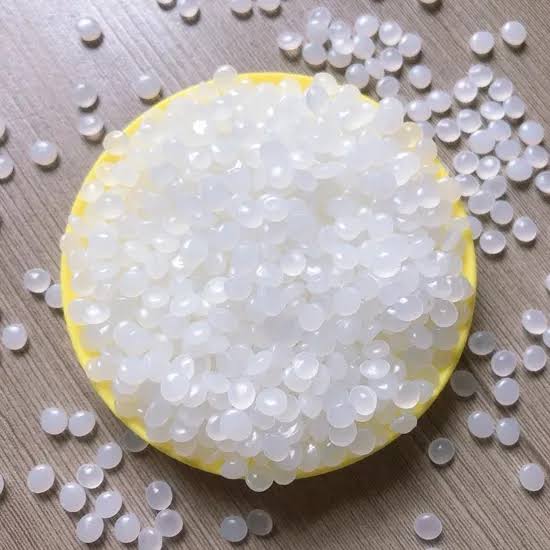
Natural polypropylene resin pellets close-up

Matching Flow To The Part

Closures, thin containers and thin-wall packaging benefit most from high flow because they are thin and produced in huge numbers, where seconds per cycle compound into real output.

Structural or thick parts gain little from high flow and may lose needed toughness, so a moderate-flow grade is usually the safer, lower-cost fit.

Related Product

Sinopec PP PPH-Y24

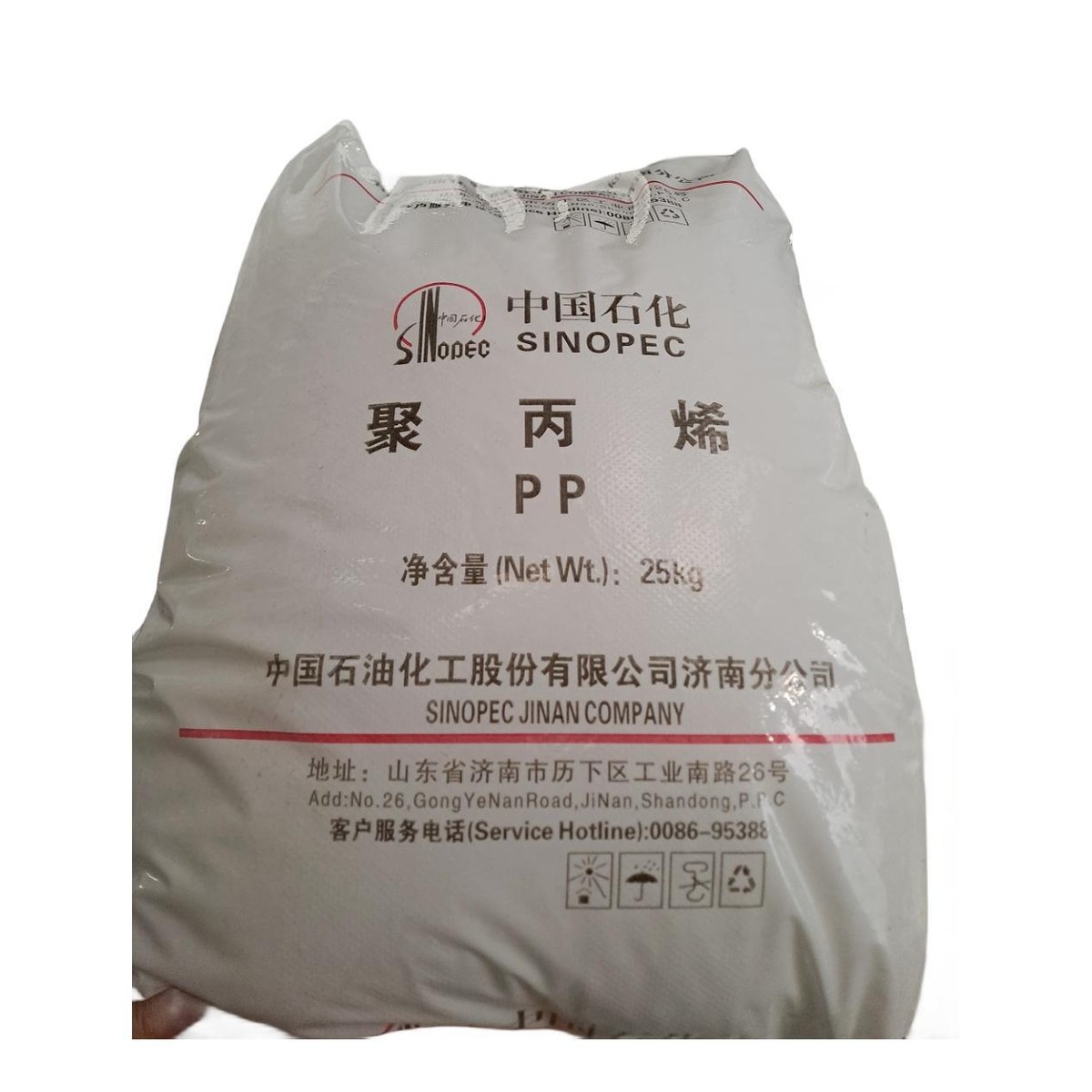
Sinopec PP PPH-Y24 polypropylene resin in 25 kg woven bag with inner PE liner
Sinopec PP PPH-Y24
High-flow homopolymer for thin-wall closures and fast cycles
View PPH-Y24 Grade →
← Back to News

Need Expert PP Advice?

Our specialist can answer processing and grade questions, then quote your volume.

Get In Touch

Contact PP Sales Team

WhatsApp QR code for Bepa Zhu