Home / News / PP Raffia Grade Selection: MFR & Isotacticity

PP Raffia Grade Selection: MFR & Isotacticity

Knowledge May 26, 2026 By Bepa Zhu

PP Raffia Grade Selection: MFR & Isotacticity

Two resin properties dominate raffia grade choice: melt flow rate (MFR) and isotacticity. MFR is a proxy for molecular weight, while isotacticity describes how regularly the propylene units are arranged along the chain.

A lower MFR means longer polymer chains and, generally, higher tape strength after drawing, but it also raises melt viscosity and extruder load. A higher MFR processes more easily yet yields less robust tape, so the choice is a balance rather than a single optimum.

Isotacticity drives crystallinity. A more isotactic homopolymer crystallizes more readily, giving better stiffness, heat resistance and tensile properties in the finished woven or rope product. It also influences shrinkage and dimensional stability under load.
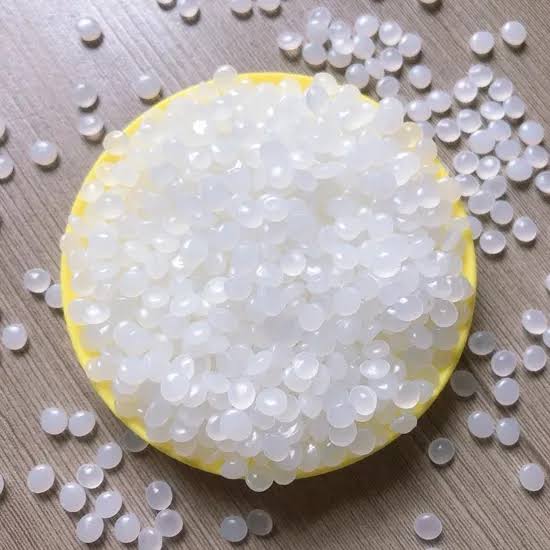
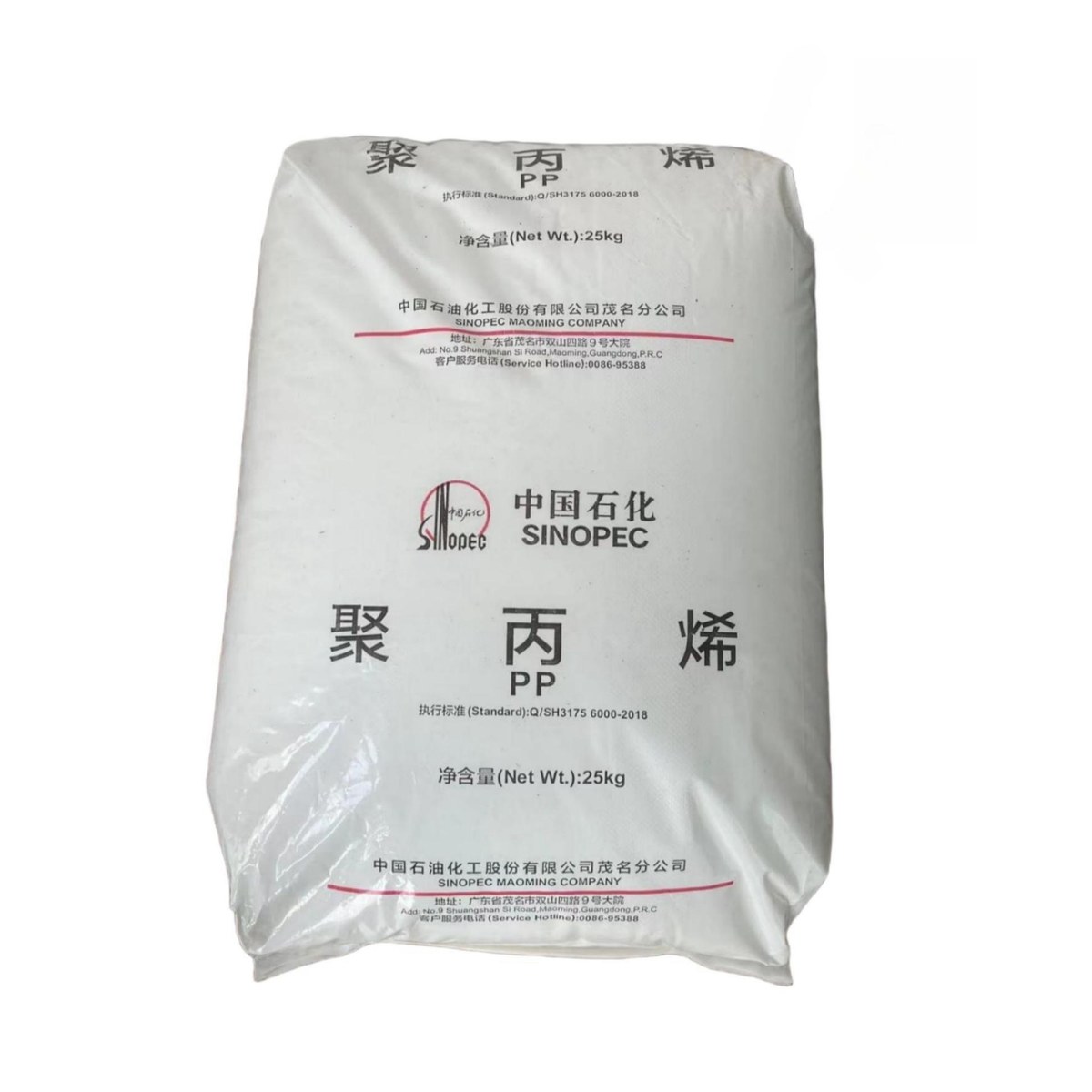
Natural polypropylene resin pellets close-up

Balancing Strength And Running Cost

For most woven sack, slit-film and rope jobs, the aim is enough tenacity for the end use without pushing extrusion energy and break rates up. Grades in a moderate MFR band suit the broadest range of lines.

High isotacticity matters most where the tape must hold load or resist creep, while very high-speed lines may trade a little strength for easier flow. Matching grade to machine and market keeps both quality and cost in view.

Related Product

Sinopec PP T30S

Sinopec PP T30S polypropylene resin in 25 kg woven bag with inner PE liner
Sinopec PP T30S
Homopolymer PP for flat yarn, woven sacks and rope
View T30S Grade →
← Back to News

Need Expert PP Advice?

Our specialist can answer processing and grade questions, then quote your volume.

Get In Touch

Contact PP Sales Team

WhatsApp QR code for Bepa Zhu