Home / News / Sinopec PP T30S Flat-Yarn Melt Rheology

Sinopec PP T30S Flat-Yarn Melt Rheology

Technical May 14, 2026 By Bepa Zhu

Sinopec PP T30S Flat-Yarn Melt Rheology

Melt rheology describes how Sinopec PP T30S flows and deforms under the shear and extensional stresses found on a tape extrusion line. As a homopolymer with moderate melt flow, T30S exhibits clear shear-thinning: its apparent viscosity falls as screw speed and shear rate rise, which lets operators widen the processing window without overloading the extruder.

For flat-yarn production, rheology is the link between resin and finished tenacity. A stable, predictable melt gives uniform drawdown, fewer neck-in variations and a lower rate of tape breaks, while residual gel or high ash tends to show up as weak spots and surface defects after orientation.

In practice, line teams tune the barrel profile and draw ratio around the resin's flow behavior rather than against it. Matching chill and quench conditions to the melt keeps orientation consistent from start-up to steady state.
Flat yarn tape extrusion line producing polypropylene raffia tape

Reading The Melt On A Tape Line

Typical checks look at melt pressure stability, die swell and break frequency rather than a single number. When pressure and output track together, the line is running inside the resin's comfortable rheology window.

Draw ratio is then set to the target tenacity, with water-bath temperature used to keep molecular orientation even across the tape width. Small rheology-led adjustments here protect both output and quality.

Related Product

Sinopec PP T30S

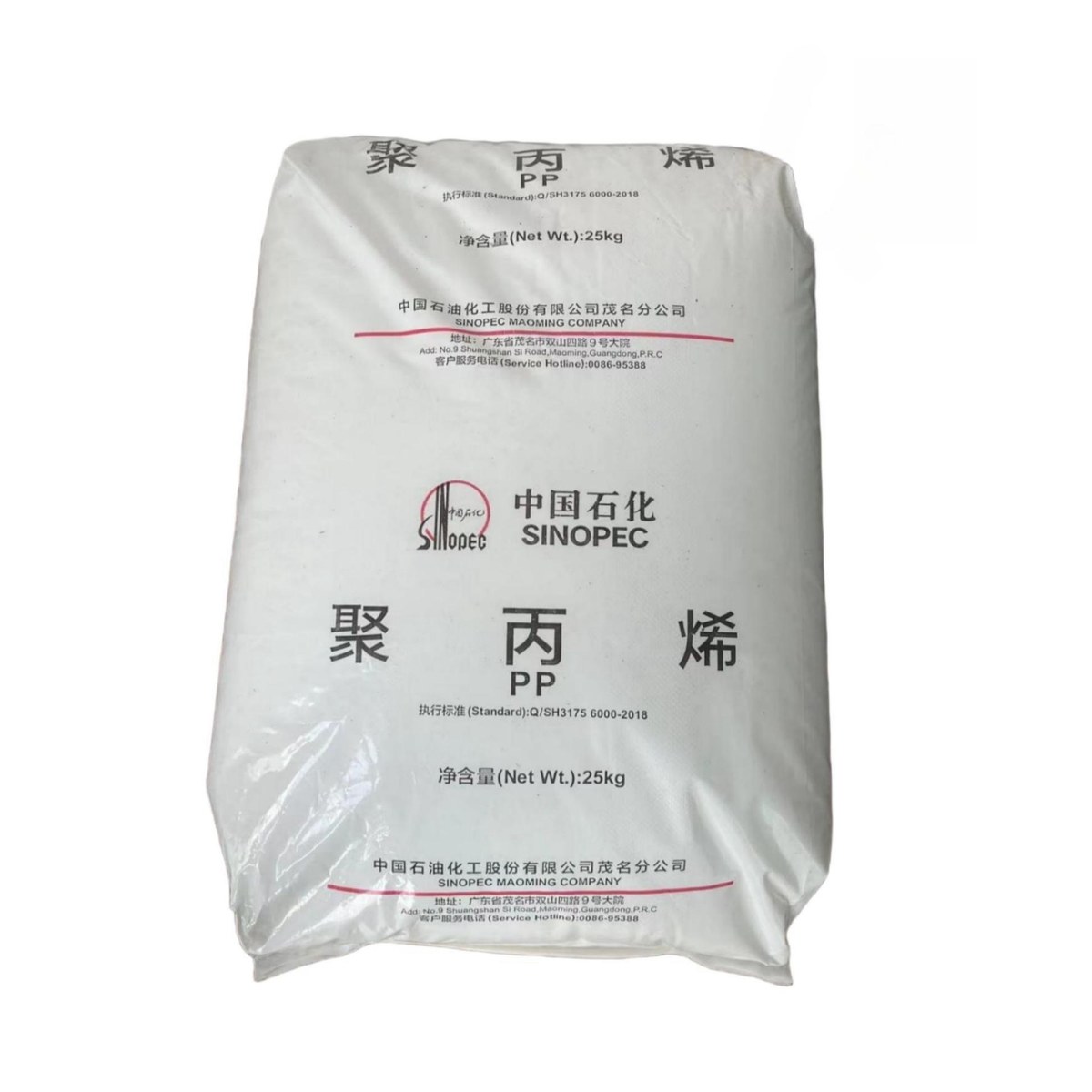
Sinopec PP T30S polypropylene resin in 25 kg woven bag with inner PE liner
Sinopec PP T30S
Homopolymer PP for flat yarn, woven sacks and rope
View T30S Grade →
← Back to News

Need Expert PP Advice?

Our specialist can answer processing and grade questions, then quote your volume.

Get In Touch

Contact PP Sales Team

WhatsApp QR code for Bepa Zhu